CO-FAIR: Ecotron Collaborative Open Framework for Accessible Interoperable Research
A FAIR-compliant, interoperable data infrastructure to establish a collaborative data-oriented research network of ecotron and ecotron-like facilities.
Fragmented Data, Siloed Research
The study of deep soil ecosystems is pivotal for understanding critical Earth processes, including carbon sequestration, nutrient cycling, and ecosystem resilience. Despite their significance, these subsurface environments have remained largely unexplored.
Today, approximately 13 ecotron facilities exist globally, yet the full potential of this innovative research is hindered by fragmented data practices. Variations in data formats, sampling frequencies, ontologies, and metadata schemes create significant barriers to data exchange and comparative analysis.
- Data Fragmentation — Diverse formats hinder integration across facilities
- Inconsistent Metadata — Varying schemas complicate collaborative research
- Limited Accessibility — Proprietary systems prevent broader engagement
- Redundancy — Lack of sharing leads to duplicated efforts
- Barriers to Interdisciplinary Work — Non-interoperable systems stifle innovation
Building the CO-FAIR Ecosystem
CO-FAIR will standardize data management practices, create unified metadata schemas and ontologies, and implement scalable, federated data systems that enable seamless data integration, analysis, and reuse across national ecotron installations.
By building and promoting this robust data ecosystem, we will enhance research outcomes in soil science, biology, biochemistry and agriculture, enabling transformative open science and interdisciplinary collaboration.
A Three-Year Plan for Open Ecotron Data
Goal 1: Collaborative Network
Establish a multi-institutional ecotron network across the United States and Europe to foster knowledge exchange, standardize data-sharing protocols, and develop interoperable data standards.
- Identify and engage partner institutions
- Formalize partnership agreements
- Annual workshops & quarterly meetings
- Online collaboration portal
Goal 2: Technical Infrastructure
Design and deploy FAIR-compliant data infrastructure including databases, web applications, APIs, and a central search catalog.
- Unified metadata schema
- Scalable data management system
- RESTful APIs for interoperability
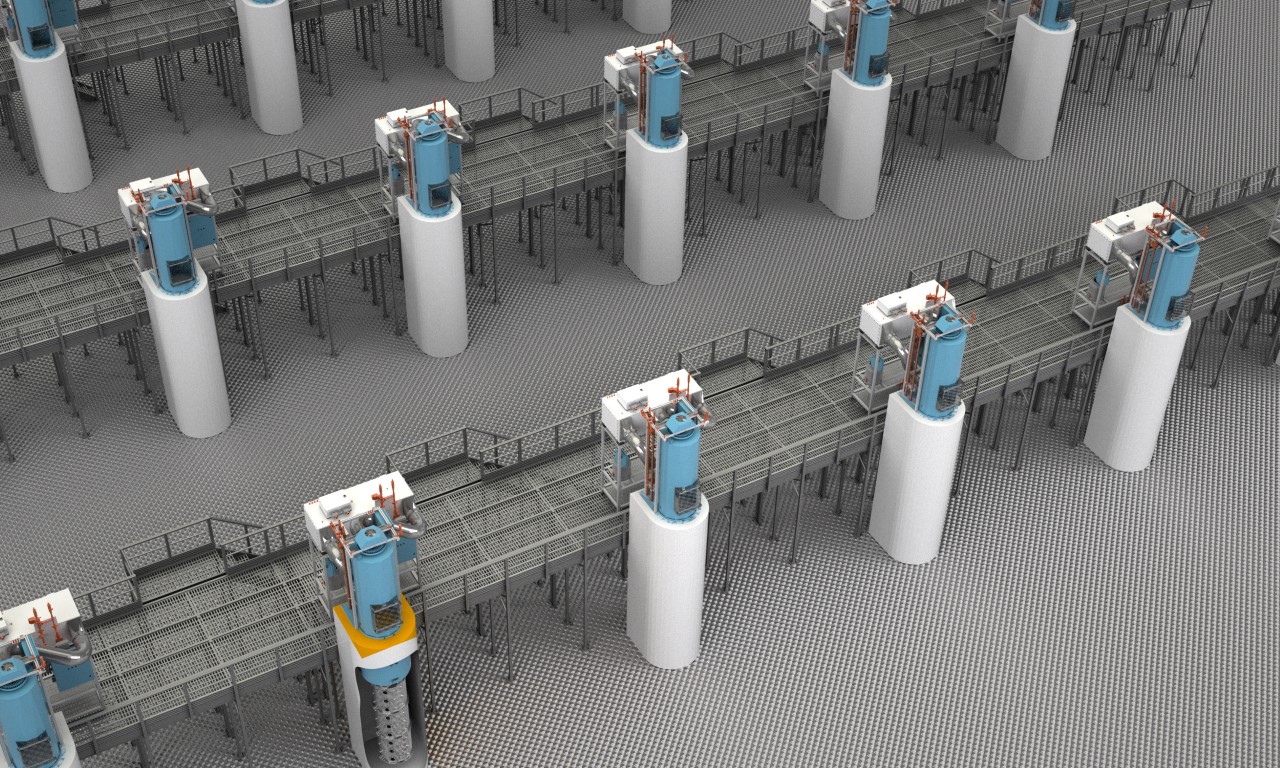
- Pilot at Deep Soil Ecotron
Goal 3: Evaluation & Impact
Conduct rigorous external evaluation to assess progress, adoption, and broader impacts on the ecotron research community.
- External advisory board
- Midterm and final evaluations
- Annual evaluation reports
- Continuous improvement cycle
CO-FAIR Technical Stack
A federated architecture designed around modular, extensible components with strict adherence to FAIR principles.
OpenSearch
Centralized metadata and discovery layer with faceted querying across ecotron datasets.
Hybrid Storage
MySQL for structured data, MinIO object storage for binary files and time-series data.
Apache Kafka
Real-time data ingestion pipelines streaming from SCADA systems at participating ecotrons.
Kubernetes
Container orchestration for scalable, resilient deployments across institutional infrastructures.
Three Years of Impact
The implementation follows clear milestones with the University of Idaho's Deep Soil Ecotron as the foundational platform.
Year 1 — Foundation
Project management setup, partner engagement, needs assessment across facilities. Begin developing the unified metadata schema and data management system. Launch online collaboration portal.
Year 2 — Development
Finalize metadata schema, deploy database architecture and API systems. Build web applications for data exploration. Integrate existing Deep Soil Ecotron data. Performance testing and training workshops.
Year 3 — Refinement & Sustainability
Iterative improvements to infrastructure. Expand network across institutions. Midterm and final evaluations. Disseminate outcomes through publications, conferences, and public reports.
Advancing Open Science
Ecosystem Modeling
Integrating data from multiple ecotrons enables more accurate predictions of ecosystem responses to environmental change.
Agricultural Innovation
Combining soil health data with agronomic studies leads to sustainable farming practices that preserve soil integrity.
Biodiversity Conservation
A unified data platform facilitates studies on species interactions and ecosystem dynamics, aiding preservation efforts.